Heavy Duty
Torginol Quartz Floor Colors
Quartz is the step up from flake for floors that get wet, carry heavy loads, or have to pass an inspection. It is a harder mineral grain, broadcast heavier, sealed thicker. Here are all 41 Torginol quartz colors, plus a straight answer on when it is worth it and when flake is the smarter buy.
Start here
What a quartz floor actually is
Colored quartz is silica sand, graded to one uniform grain size and coated with resin and colorfast pigment. The color lives in a mineral grain instead of a plastic chip. That single difference is where every other advantage comes from.
The install works like a flake floor, just heavier. An epoxy base goes down, quartz gets broadcast into it until the floor stops taking any more, then the loose grain is swept and vacuumed off. Clear coats go over the top to lock the grain in and set the texture.
Hardness, silica content, grain size, and melting point are Torginol's published figures for the granules. Build and thickness come from the resin manufacturer, since Torginol makes the aggregate rather than the system.
Here is the part that surprises people: a quartz grain is smaller than a flake chip, not bigger. A 40-mesh grain is about half the size of the smallest standard flake. The floor feels rougher anyway, because a packed bed of round grains broadcast to rejection builds a dense, even profile, where a flake chip is a flat platelet that lies down and gets mostly buried by the topcoat.
Two builds, one material
Single broadcast or double broadcast
This is the part most sites skip, and it is the difference between two very different floors and two very different prices. Same quartz either way. What changes is how many times we broadcast it and how thick the finished floor ends up.
Single broadcast
One broadcast into the base, then clear coats over it.
- About 65 mils finished, roughly a sixteenth of an inch
- Three resin coats and about 0.7 lb of quartz per square foot
- Full quartz surface: the grip, the color, the seamless finish
- Shorter install and a lower price than a double
Good for: light to medium traffic. Storage and back-of-house areas, showrooms, offices, restrooms, and shops where you want the quartz surface without paying for maximum build.
Double broadcast
Broadcast, cure, sweep and vacuum, then broadcast again.
- About 125 mils finished, roughly an eighth of an inch
- Four resin coats and about 1.4 lb of quartz per square foot
- Deepest build and the most material between traffic and your slab
- Longest install and the highest cost
Good for: medium to heavy traffic. Commercial kitchens, food and beverage, labs and healthcare, wash bays, and anywhere the floor takes constant abuse or has to pass an inspection.
Those thickness, coat, and coverage figures are published specs from resin manufacturers for their single and double broadcast systems. Exact numbers move a little between brands, so we give you the spec for the system we are actually installing rather than a number off a web page.
Neither one is the "right" answer on its own, and the deciding factor is usually how hard the floor gets used. There is also a practical catch worth knowing: the thicker double-broadcast systems tolerate considerably more moisture coming up through the slab than the single-broadcast versions do. On a big slab on grade, a moisture reading can end up choosing the build for you. That is one more reason we meter the concrete before we quote a system.
The case for it
Where quartz genuinely wins
Grip where floors get wet
This is the number one reason quartz gets specified. The broadcast leaves a dense, textured surface with far more bite than a smooth coating, which is why it turns up in kitchens, locker rooms, restrooms, and wash areas. How much texture you keep is a dial, set by how heavily the clear coat gets flooded back over the grain.
It survives what abrades a chip
Quartz is a mineral at 6.5 to 7 hardness. Vinyl flake is a soft pigmented platelet. In both floors the surface you walk on is the clear topcoat, so the difference shows up once that topcoat wears thin: quartz keeps protecting, flake starts giving up. Steel wheels, pallet jacks, dropped tools, and dragged equipment are where it shows.
Chemicals bounce off it
Torginol publishes an 18-hour immersion table for the granules, and the reaction column reads "none" straight down: 100% hydrochloric acid, 100% xylene, chlorine bleach, ammonium hydroxide, mineral spirits, industrial detergent. Torginol publishes no equivalent table for flake, which tells you what flake is for.
Seamless and sanitary
A quartz floor is a continuous surface with no grout lines and nowhere for anything to sit. Paired with a coved base that runs the floor up the wall, it is a standard build for commercial kitchens, labs, healthcare, and vet clinics, where the floor has to wash down and pass an inspection.
The color is in the mineral
The granules carry passing colorfastness and weatherability ratings under accelerated UV testing. Worth being precise, though: that is the aggregate, not the floor. Whether a finished floor ambers comes down to the topcoat over it, exactly as it does with flake.
More floor between you and the slab
A flake garage floor typically lands in the 25 to 30 mil range. Quartz builds heavier, and how much heavier depends on whether you run a single or a double broadcast. A double is spec'd around 125 mils, about an eighth of an inch. Nothing magic about it, just more material and more labor, which is also why it costs more.
The honest part
Quartz or flake?
We would rather sell you the right floor than the expensive one. For most home garages, that is flake.
Flake is the better buy when
- It's a normal home garage. Rubber tires do not abrade a coating. A flake system's topcoat handles a hot tire and a dropped wrench fine. The case for quartz is built on steel wheels, chemical immersion, washdown, and inspections, and a garage has none of those.
- You want it smooth underfoot. Quartz is rougher. That is the entire point of it, and it is a genuine downside in a space you walk through barefoot or mop by hand.
- You want a firm two-day turnaround. Our flake garage system is a two-day install and we quote it that way. Quartz we schedule per job instead, because the build and the square footage drive the timeline, and a warehouse is a different animal than a two-car garage. We give you the schedule with the quote.
- Budget matters. More coats and several times the aggregate cost what they cost, even on a single broadcast.
Quartz is worth it when
- The floor gets wet on purpose. Wash bays, restrooms, locker rooms, kitchens, anywhere slip resistance is a requirement rather than a preference.
- Something heavy rolls on it. Pallet jacks, hard-wheeled carts, lifts, and shop equipment.
- It has to pass an inspection. Commercial kitchens, food prep and packing, labs, healthcare, vet clinics, and animal care.
- Chemicals live there. Shops, plants, and anywhere solvents or acids get spilled rather than wiped.
- It's a serious home shop. A lift, an engine hoist, a welding bay, or a gym where weight gets dropped.
One caution worth putting in writing: for outdoor slabs that go through freeze and thaw, and for washdown areas that take sudden temperature swings like steam cleaning, the resin manufacturers put limits on epoxy quartz systems and a urethane cement floor is usually the correct answer instead. If that is your situation, tell us and we will say so rather than sell you the wrong floor.
Not sure which way to go? The breakdown of how these systems are built covers what actually makes a floor last, and our flake colors page has every blend with its full recipe.
13 colors
Grays & Blacks
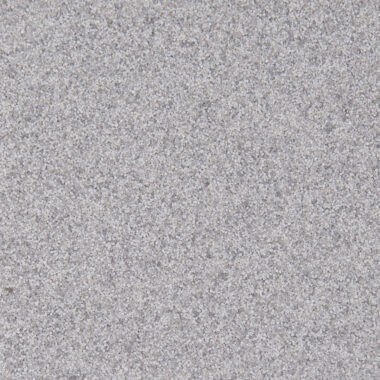
The lightest one on the page. Near white with a fine gray fleck. Bright, and it shows everything.
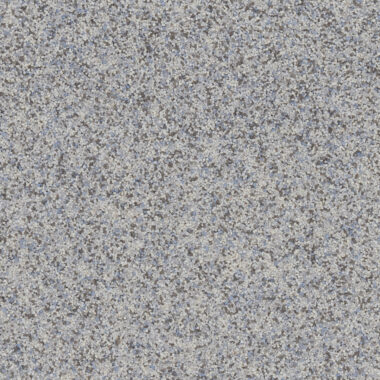
Cool pale gray with a fine white sparkle. Reads clean and slightly blue.
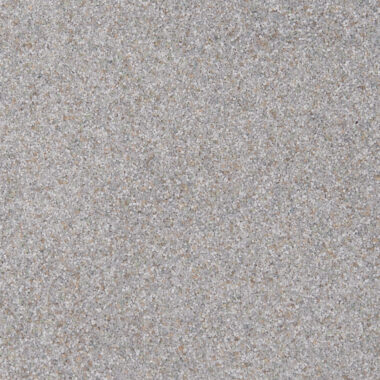
Pale cool gray, a step deeper than Icicle and still on the light end.
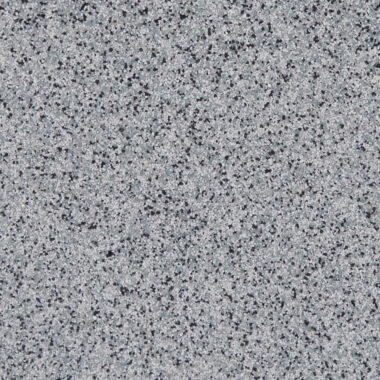
Light gray, even and quiet, with a fine darker fleck through it.
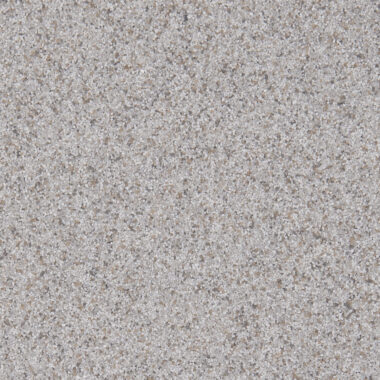
Pale gray with a light salt-and-pepper fleck. A softer white than Crystal.

Light gray with a blue cast and a fine dark fleck. Cooler than the name suggests.
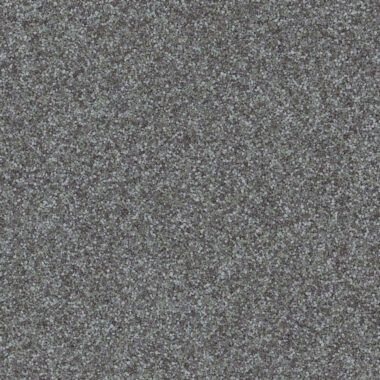
A solid medium gray with very little contrast. The closest thing here to plain concrete, done properly.
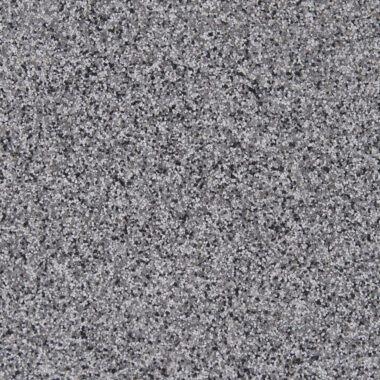
Medium gray built from black and white grains. The classic salt-and-pepper look.
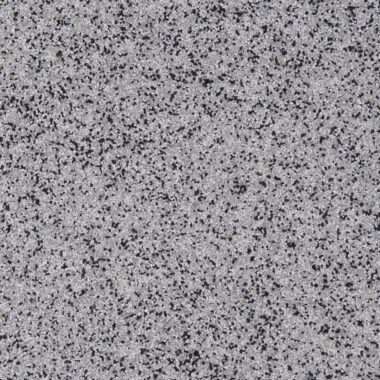
White with a heavy black speckle. The highest-contrast color here, and it earns the name.
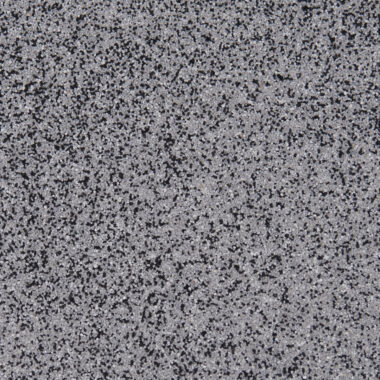
Charcoal with a heavy white fleck. Reads almost like polished granite.
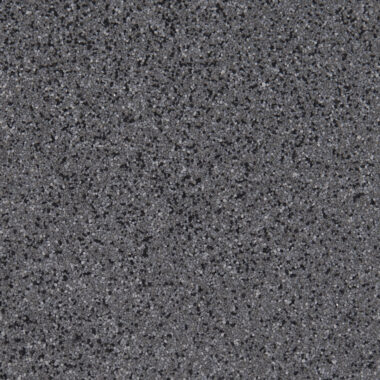
Dark charcoal with a fine lighter fleck. Deep without going all the way to black.
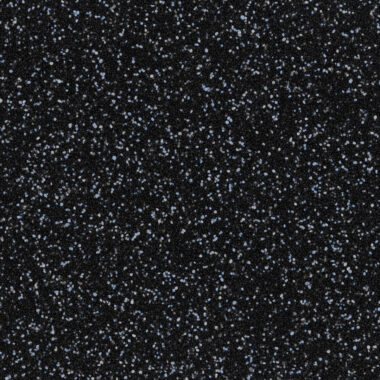
Black with white and scattered color grains. Equinox with more going on.
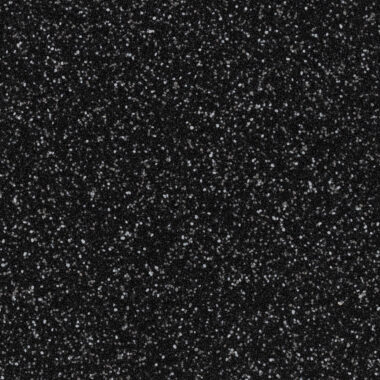
Near black with a fine white sparkle. The darkest color on the page.
12 colors
Warm Neutrals
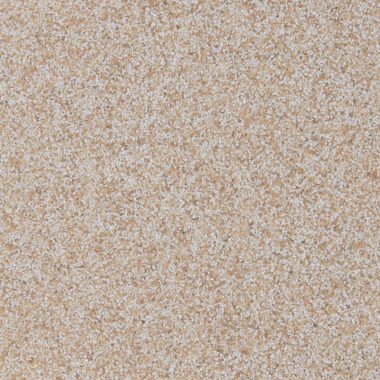
Pale cream with a soft blush warmth. One of the lightest warm tones here.
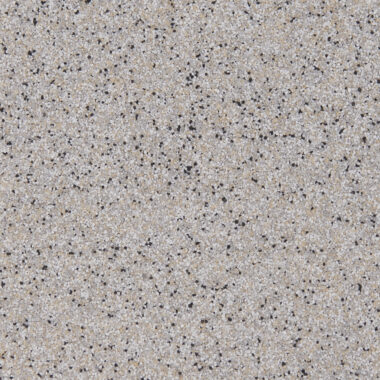
Very pale warm gray with a scattered fleck. Nearly white in bright light.
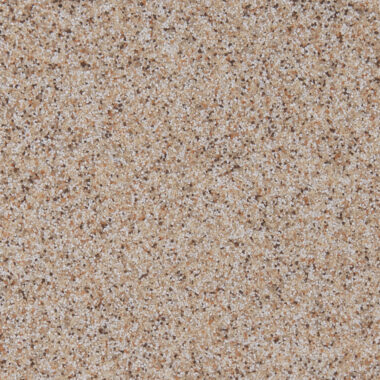
Light warm cream with a fine tan fleck. Softer than white and easier to live with.

Light warm cream, quiet and even, with very little contrast.
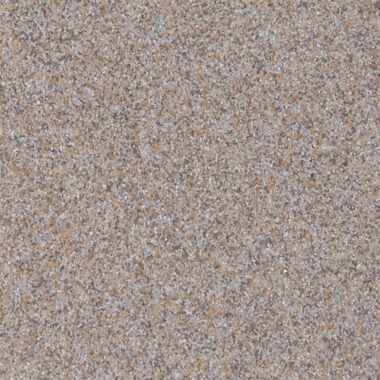
Pale warm beige with a faint pink cast to it.
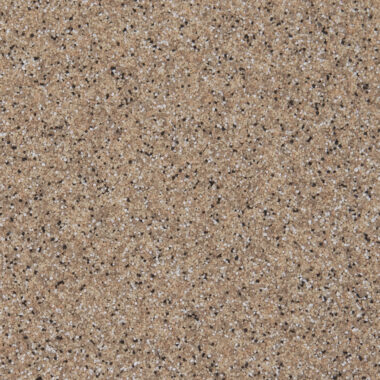
A true tan. Warm, mid-light, and forgiving on dust.
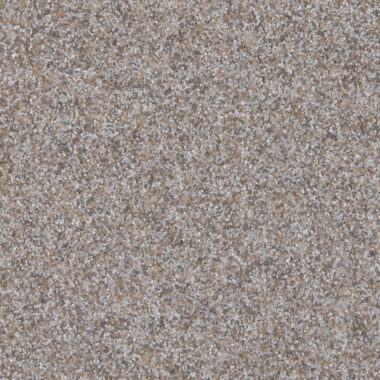
Warm greige. Sits between tan and gray, which is why it works with most wall colors.
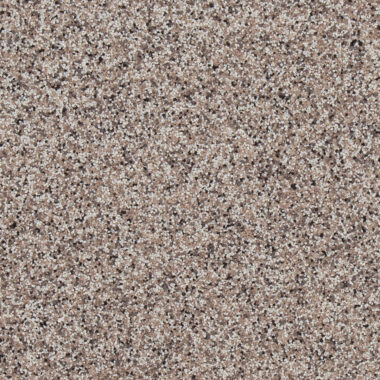
Warm tan with mixed light and dark grains. More movement than Biscuit.
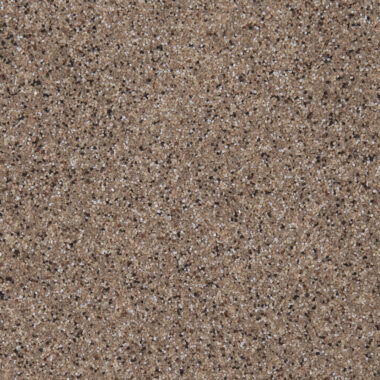
Medium taupe. A warm gray-brown and the safest mid-tone on the page.
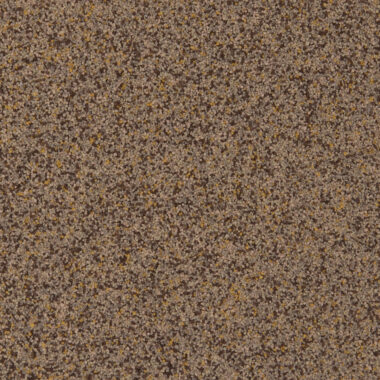
Medium warm brown-gray with visible grain. Reads like weathered wood.
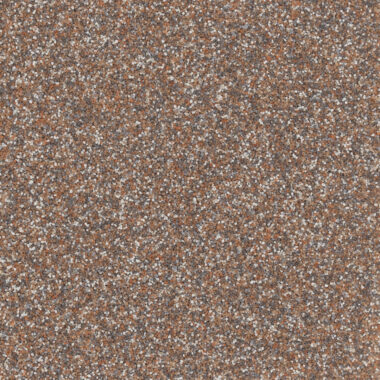
Medium warm brown, even and dense, with little contrast.
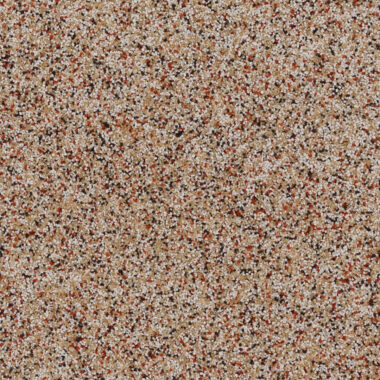
Tan and gold with orange grains mixed through. The busiest of the warm tones.
8 colors
Earth & Reds
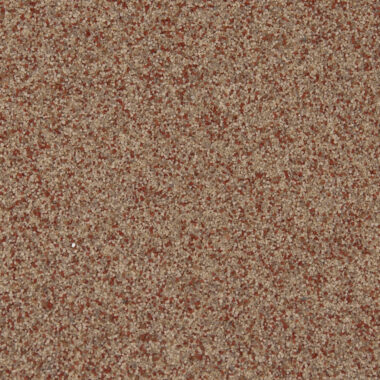
Warm caramel tan. Golden rather than brown.
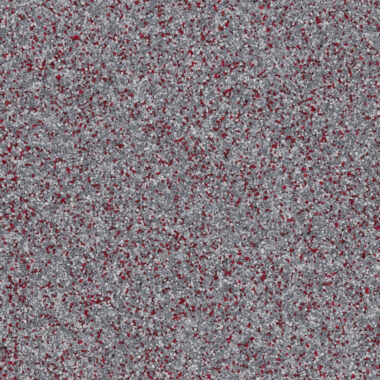
Light gray with a red fleck. Subtle from standing height, colorful up close.
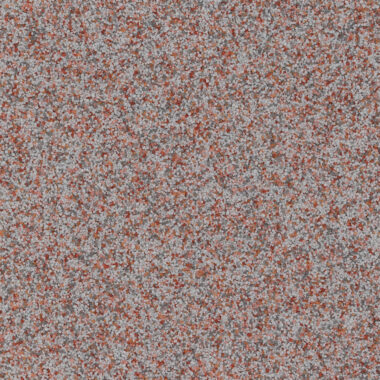
Light gray with salmon and rust grains scattered through it.
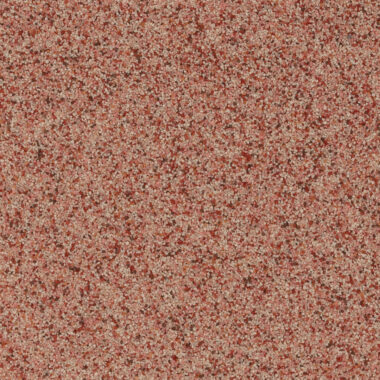
Salmon and coral over a light base. Southwestern without being loud.
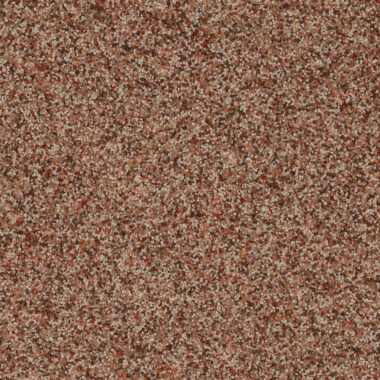
Rust and terracotta. A true clay red-brown, and the one that hides our dirt best.
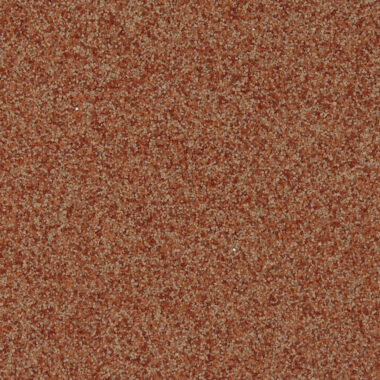
Bright orange-terracotta. The boldest warm color on the page.
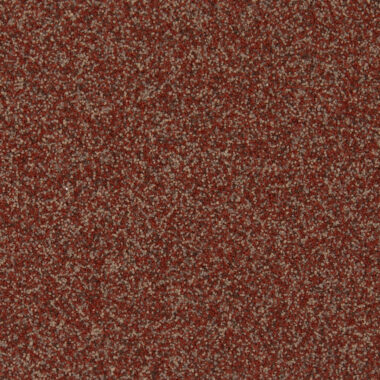
Deep brick red with a dark grain. Rich rather than bright.
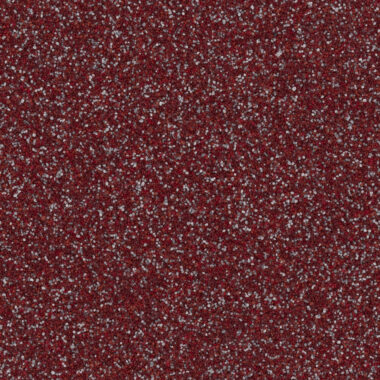
Deep burgundy with a fine dark fleck. The darkest red here.
8 colors
Cool & Color
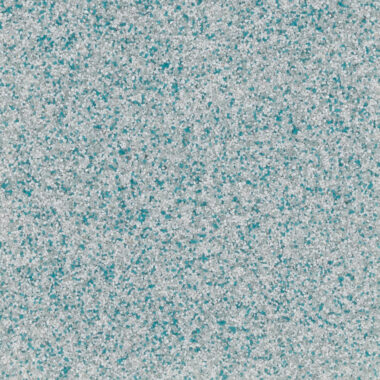
Pale aqua over white. Light and coastal.
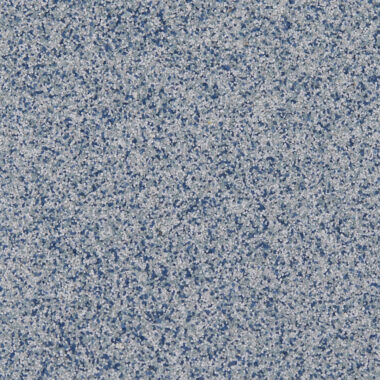
Soft blue-gray. Reads gray from across the room and blue up close.
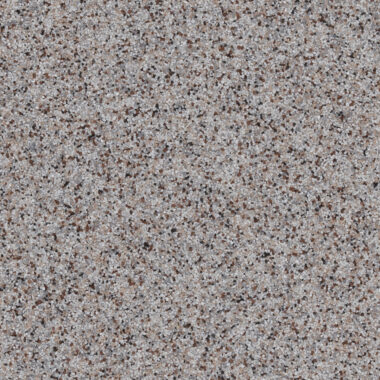
Medium blue-gray with a mixed grain. Muted and easy to live with.
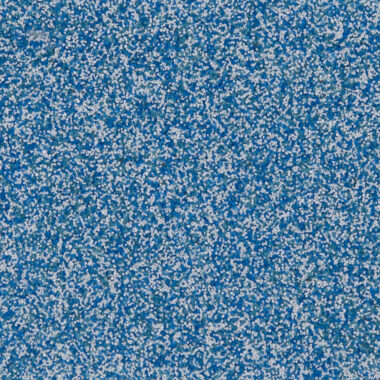
Bright blue with white grains. The most saturated color on the page.
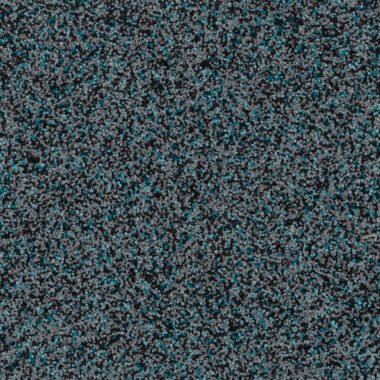
Dark teal with a blue-green fleck. Deep and genuinely unusual.
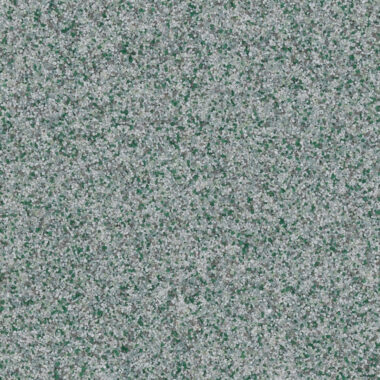
Soft sage green over a light base. Quiet, not a bright green.
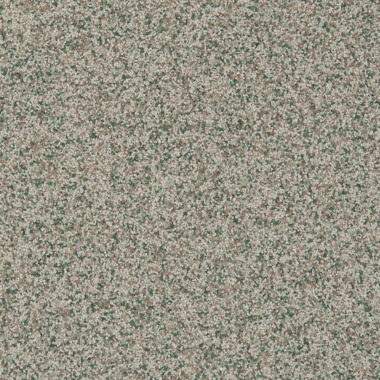
Pale sage with a warm cast. A muted green that leans neutral.
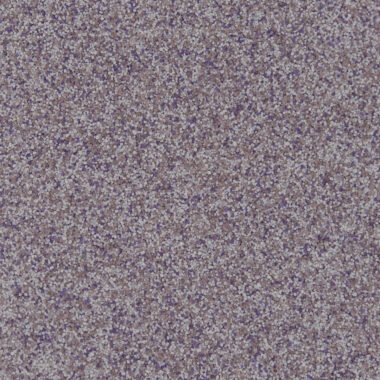
Pale lavender over a gray base. The only purple on the page.
Tell us what the floor has to survive
Every color here is available to order. The right question is not which one looks best, it is what the space has to put up with. Tell us that and we will tell you whether quartz is worth the money or whether flake does the job for less.